
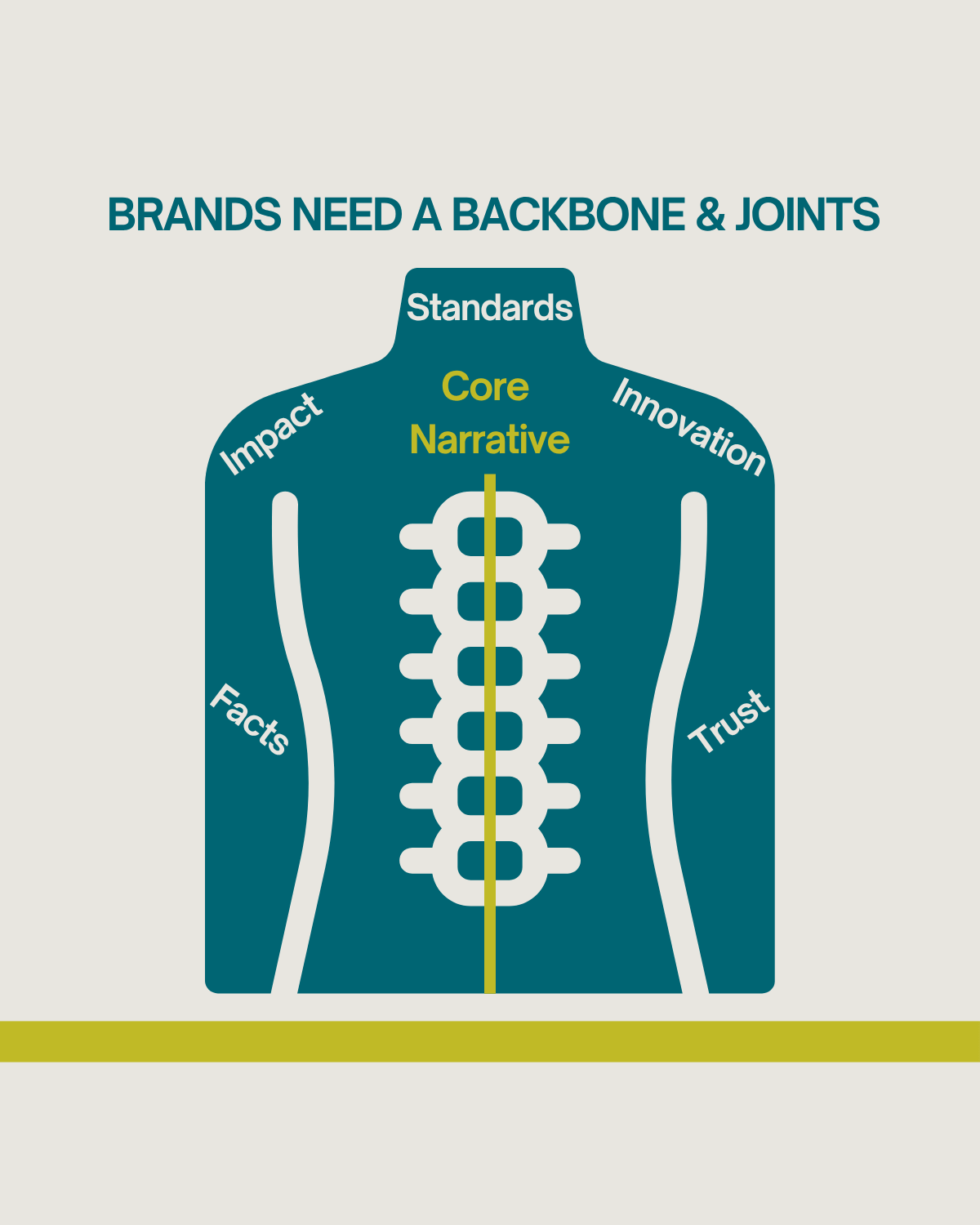
The Solution Isn't More Messaging. It's Messaging That Flexes.
Most organizations don't have a messaging problem. They have a flexibility problem. While many brands build separate messages for different audiences, the most effective communicators build a strong core narrative and a set of message drivers that make that narrative relevant to different motivations. Because audiences don't want different truths. They want relevance.

When Culture Becomes Your Brand: Reflections from the Nonprofit CEO SPARK Podcast
Explore how nonprofit leadership, internal culture, and empathetic communication shape brand reputation. In this reflection on my conversation with Marcia Beckner on the Nonprofit CEO SPARK podcast, learn why strong brands start from the inside out — with trust, genuine connection, employee experience, donor relationships, and clear communication of real impact.
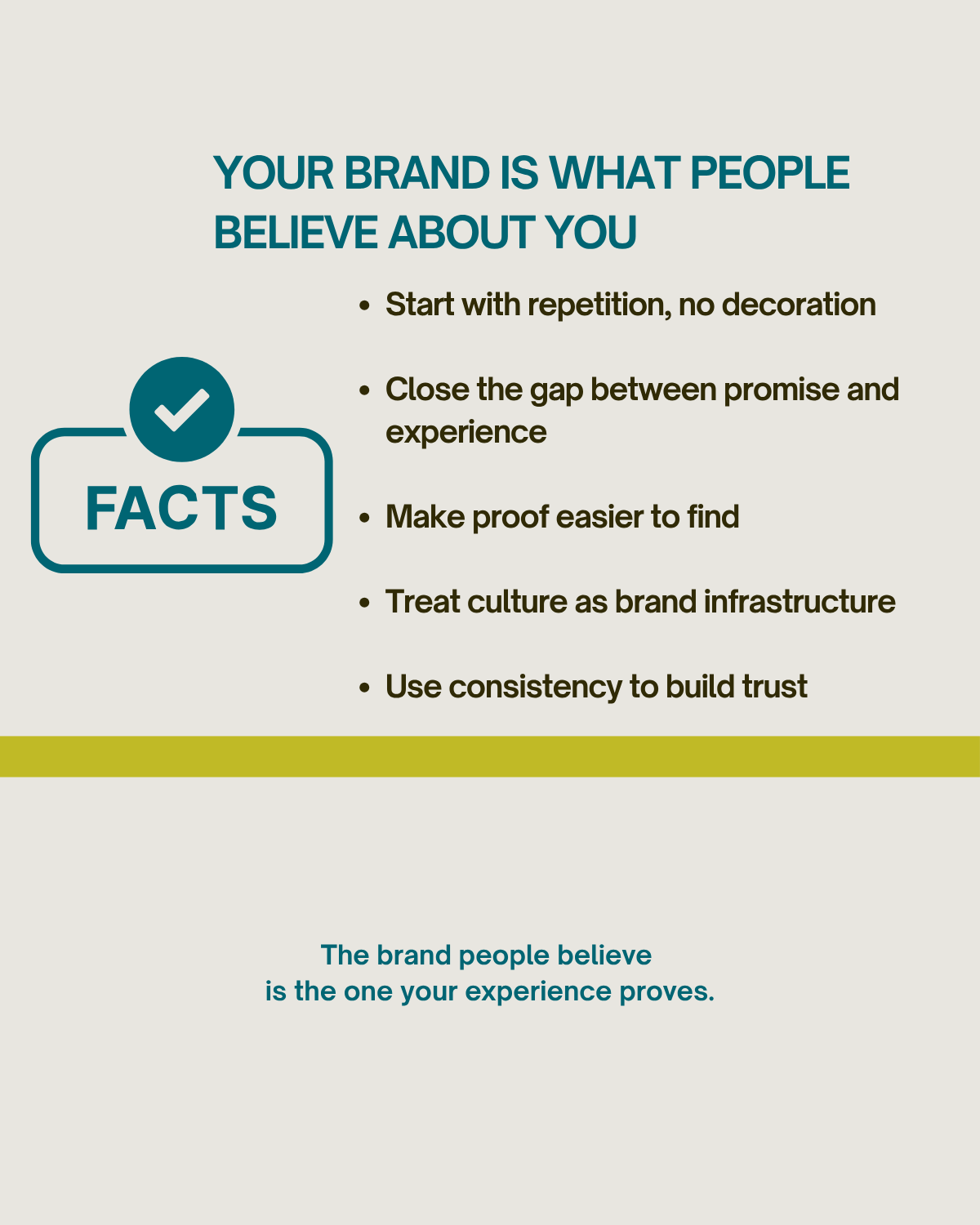
Your Brand Isn’t What You Say It Is
Your brand isn’t your logo, tagline, or carefully polished messaging. It’s what people believe about you after they experience you.
Understand why trust, consistency, culture, and lived experience shape brand reputation far more than what you say on your website.
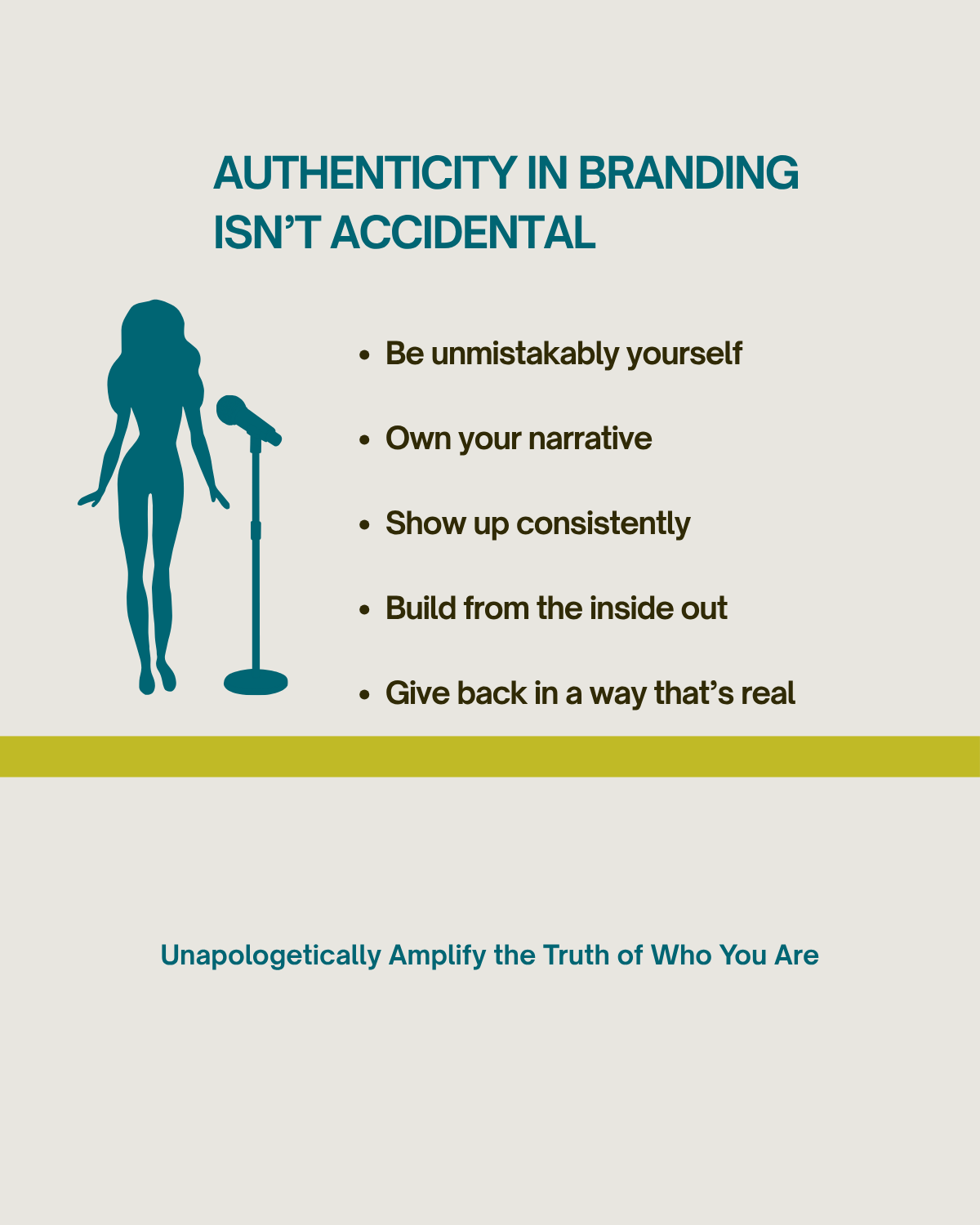
Dolly Parton Taught Us Everything We Need to Know About Authenticity in Branding
Dolly Parton built one of the most enduring personal brands in American culture by doing something many brands struggle to do: staying unmistakably true to herself. Her legacy offers a powerful lesson for leaders and organizations — authenticity is not a tone, tagline, or campaign. It is the disciplined practice of aligning what you say, what you do, how you show up, how you treat your people, and what you stand for over time.
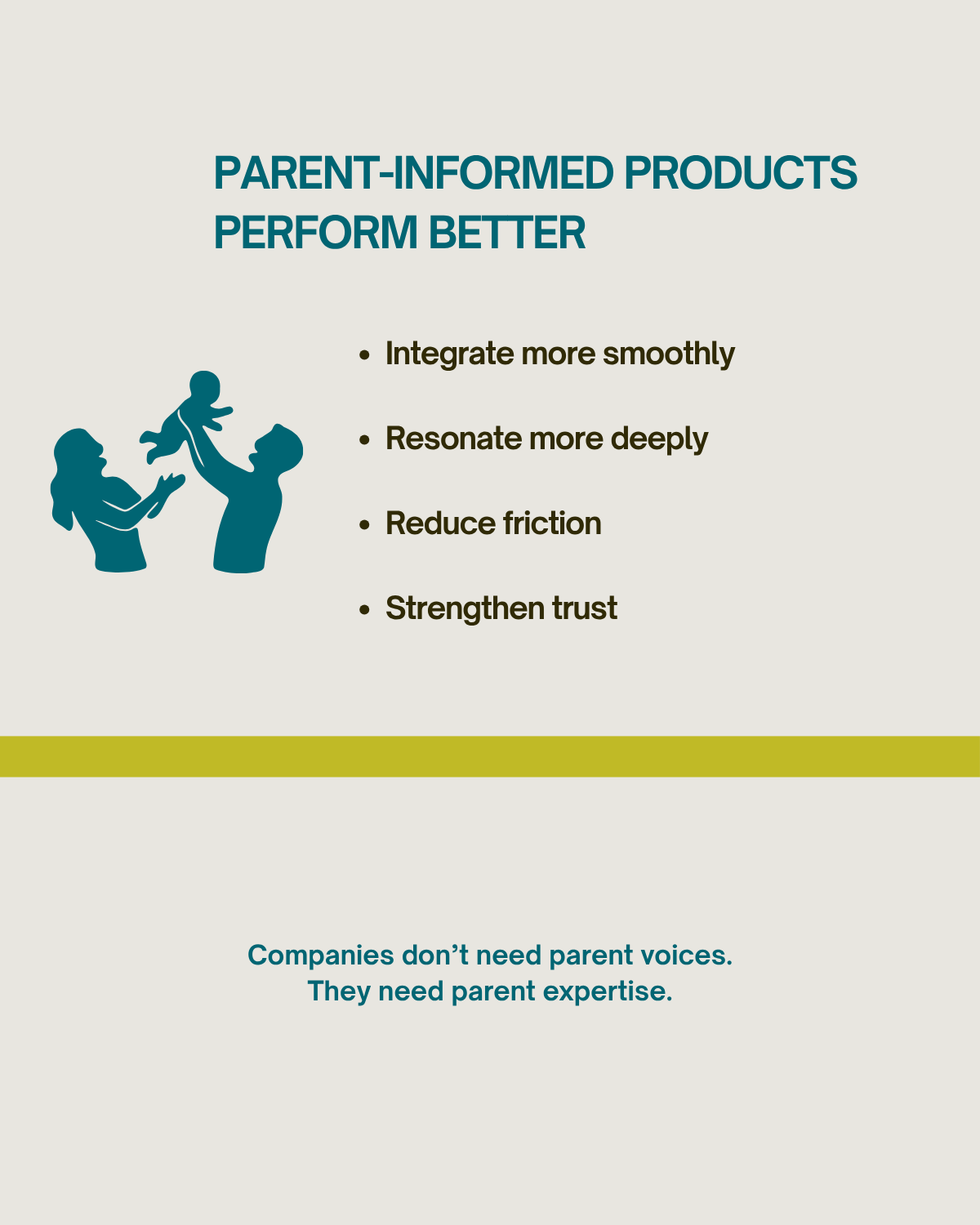
Parents Are the Untapped Consultants Health & Biotech Companies Need
Health and biotech companies invest heavily in science, clinical evidence, and commercialization, yet often overlook one of their most valuable sources of insight: parents.
Parents bring practical expertise that can improve product design, hospital adoption, and family trust. When companies treat parents as consultants—not just testimonials—they build solutions that work better in real-world care.
Are You a Soundalike Science Company?
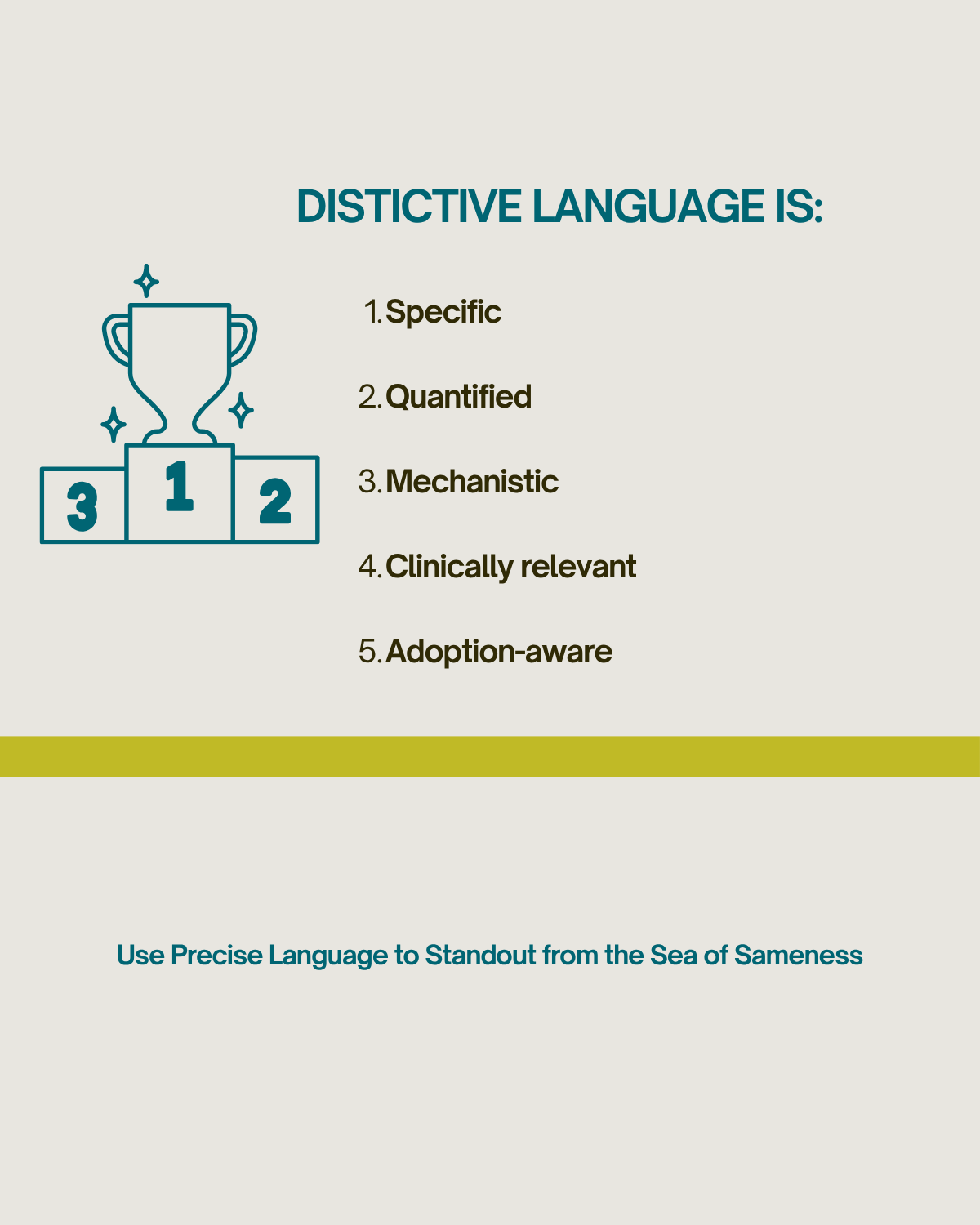
Investor-focused life sciences events are filled with extraordinary innovation—but too often, the language companies use to describe that innovation sounds the same.
When every company claims to be “novel,” “breakthrough,” or “next-generation,” differentiation disappears. This post explores why precise, distinctive messaging matters—and how life sciences companies can stand out by making their science more specific, memorable, and relevant.
Narratives Open Doors, Connections Keep Them Open
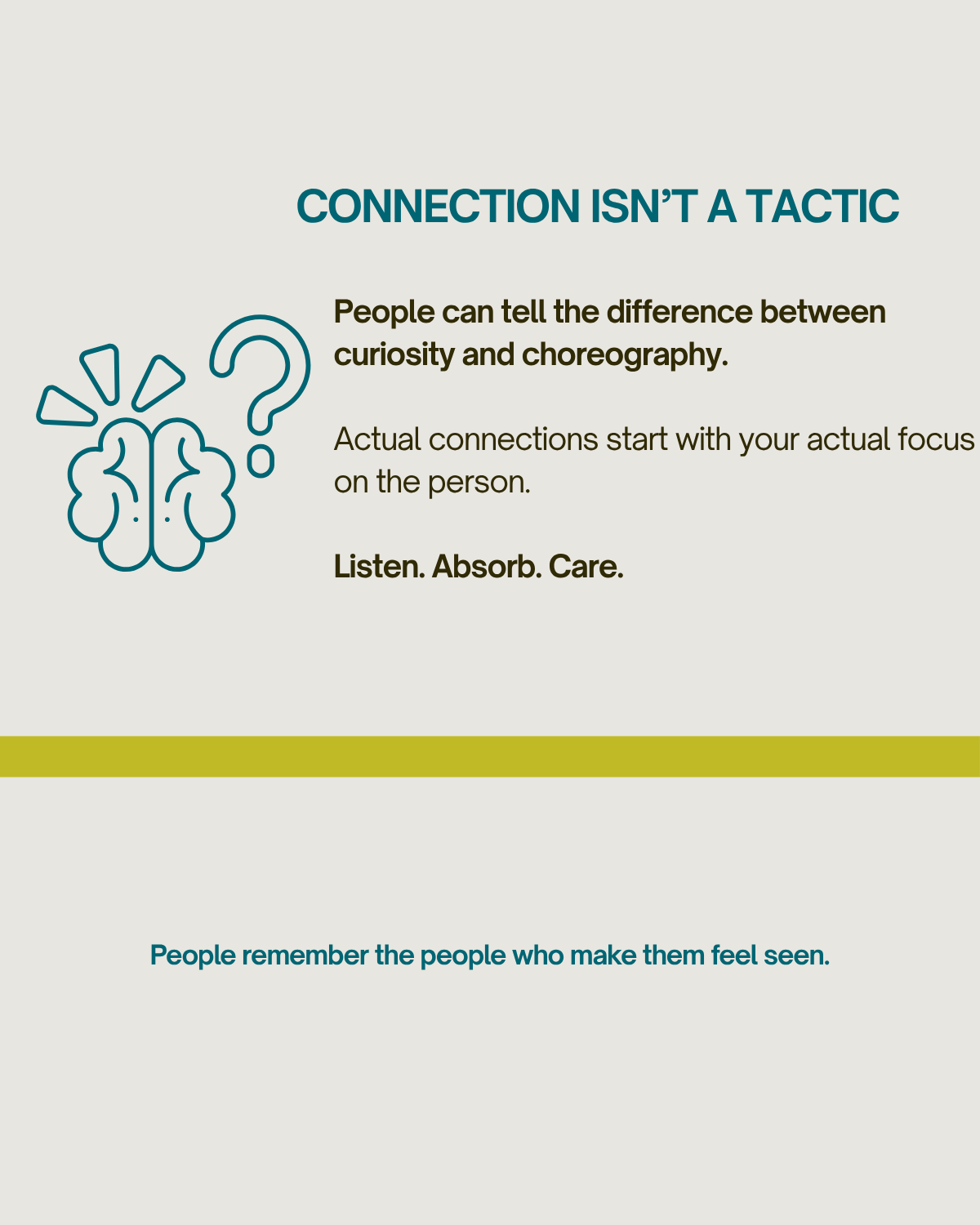
In a world where social media, automation, and AI can make communication feel increasingly polished but less personal, real relationships have become a strategic advantage. People remember the colleagues, partners, and vendors who make them feel seen—not just sold to.
Lasting trust is built through small, consistent signals: thoughtful questions, remembered details, useful follow-through, and a genuine interest in the person beyond the transaction.
Naw, Original Flavor
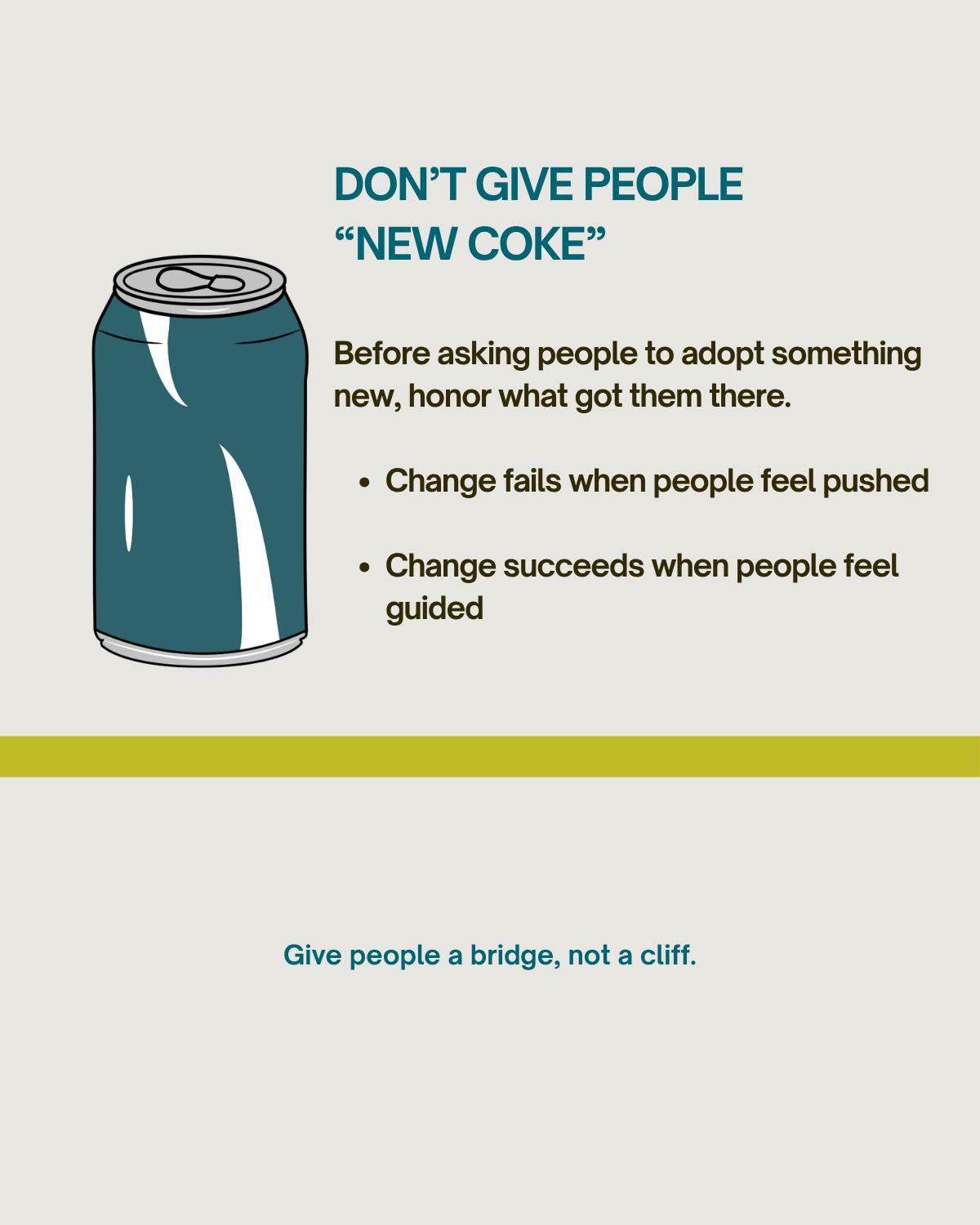
People don’t reject change. They reject the feeling that something familiar is being taken away.
That’s why change management can’t start with the new system, process, or strategy. It has to start by honoring what came before, explaining the “why” in human terms, and giving people a bridge — not a cliff.
Change succeeds when people don’t feel pushed. They feel guided.
Most Brands Don’t Have a Messaging Problem — They Have a Messaging Discipline Problem
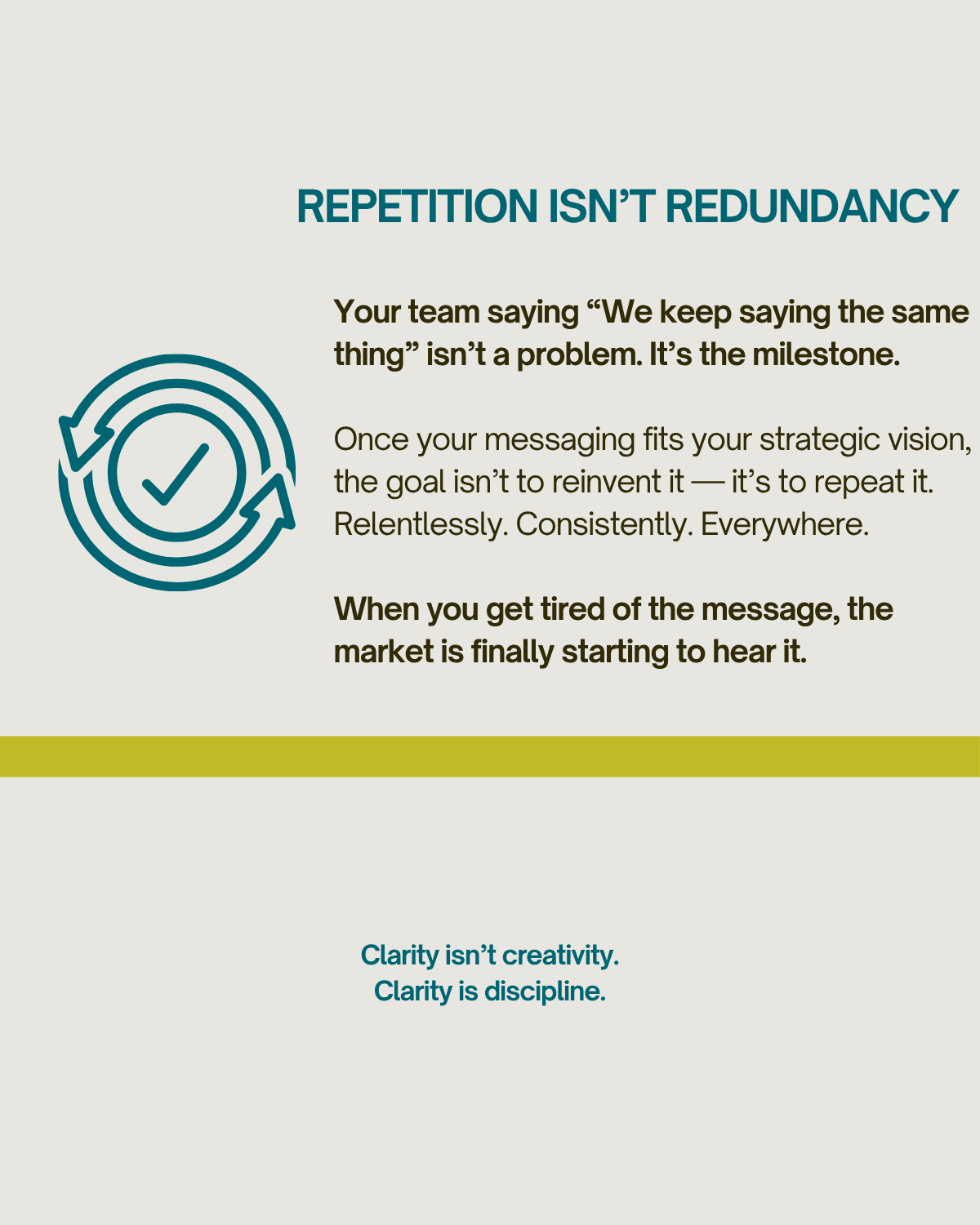
Leadership teams often revisit positioning when messaging feels confusing, outdated, or misaligned. But the real issue usually isn’t the words themselves; it’s the lack of operational discipline to protect and apply them consistently.
Strong messaging only becomes powerful when teams have the tools, frameworks, and accountability to use the same story across sales, marketing, product, and executive communications. In a noisy market, consistency is often the real differentiator.
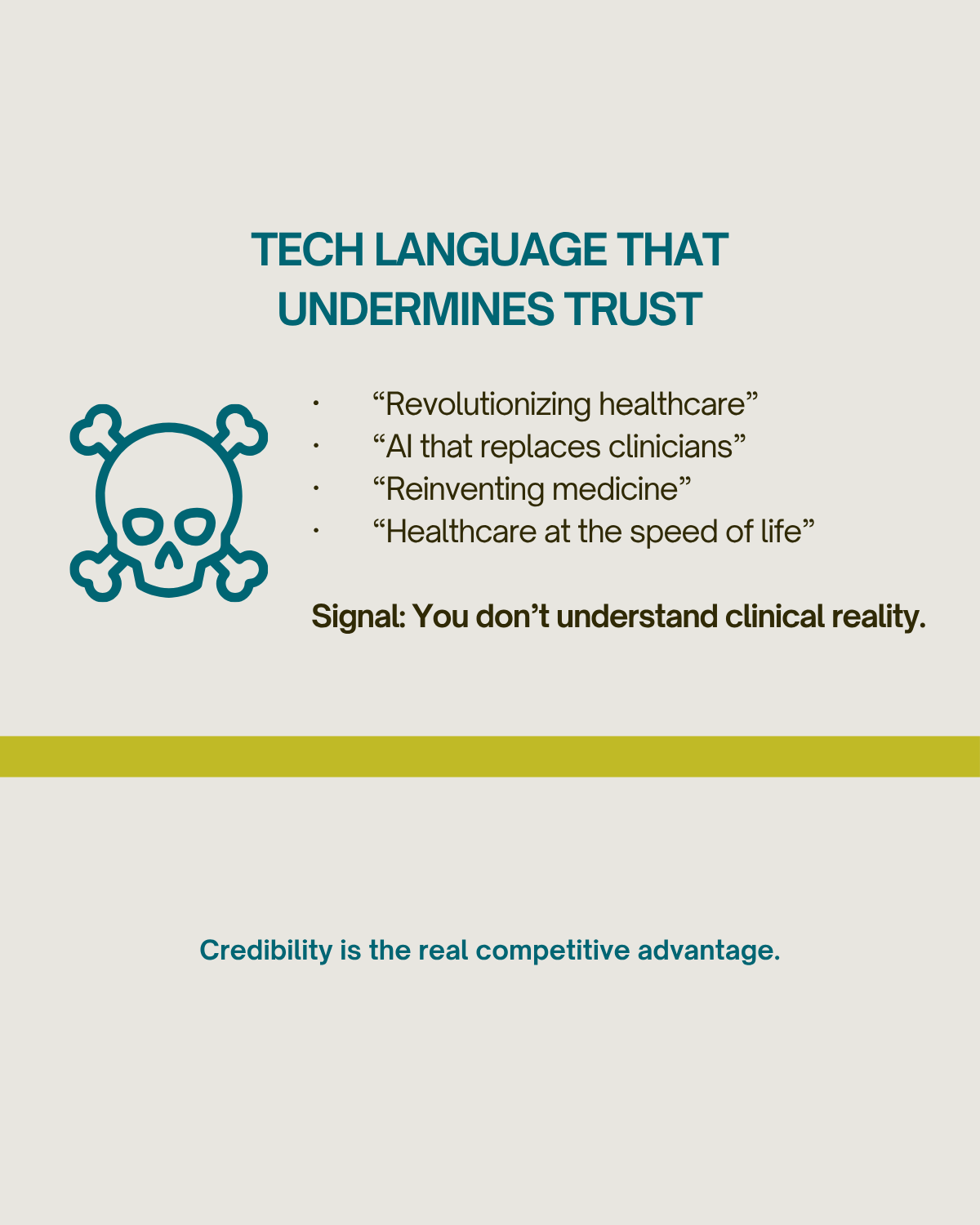
Why Healthcare Brands Struggle to Connect with Clinicians When They Try to Sound Like Tech Companies
Healthcare brands often borrow the language of tech companies to sound innovative, fast-moving, and disruptive. But in healthcare, that kind of language can quickly erode trust.
Clinicians, operators, and regulators are not looking for swagger — they are looking for clarity, evidence, and credibility. The brands that stand out will be the ones that communicate with the same rigor they bring to their work.
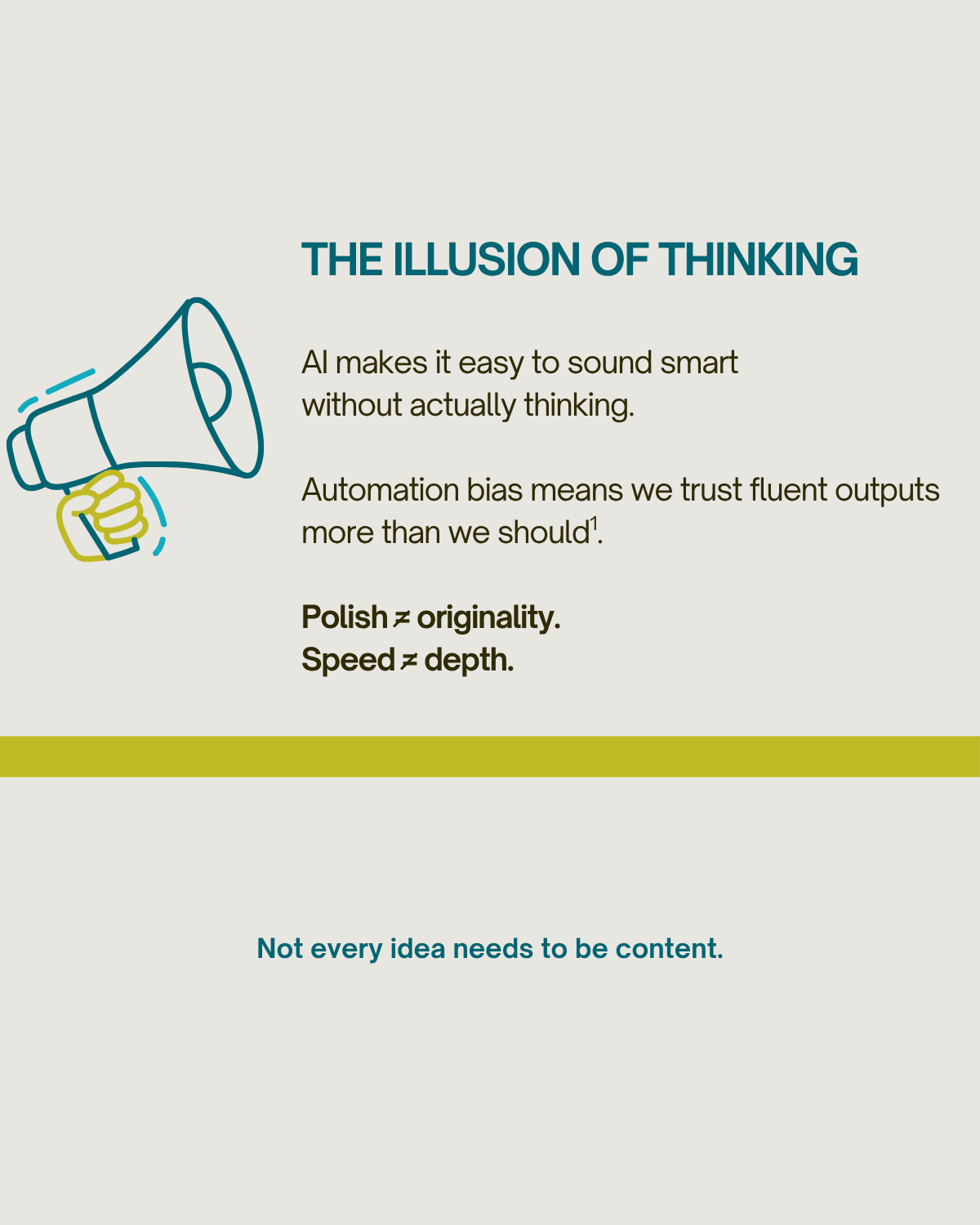
Are Thoughts as Valuable as They Used to Be?
The digital age has given everyone a microphone—but it has also made every fleeting thought feel publishable.
In a world of infinite content, the real value is no longer in producing more ideas faster. It’s in thinking more carefully, publishing more intentionally, and sharing only what adds clarity, meaning, or value.